Tinubu Targets Private Capital, Inclusive Blueprint to Unlock Nigeria’s Grassroots Sports Economy
For decades, Nigeria’s sporting story has followed a familiar script: abundant raw talent scattered across dusty street pitches and village playgrounds, held back by crumbling facilities and a lack of structure. On Thursday in Abuja, the Federal Government made a decisive pitch to rewrite that narrative calling on private investors, states, and schools to stop treating grassroots sports as mere recreation and start building it into a viable economic engine.
That shift in mindset took center stage at the State House Banquet Hall, Presidential Villa, as stakeholders gathered for the opening of the two-day National Grassroots Sports Summit 2026.
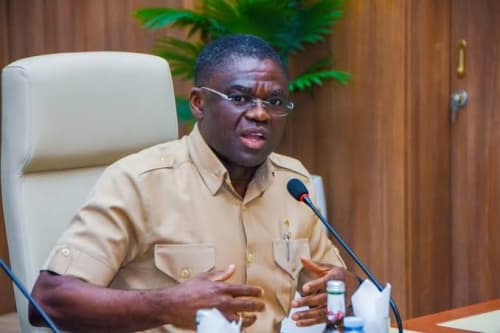
Convened by the Senior Special Assistant to the President on Grassroots Sports Development, Hon. Adeyinka Anthony Adeboye with technical backing from the Nigerian Economic Summit Group (NESG) the summit's pairing of sports administrators with economic policymakers underscored the government's core message: discovering young athletes must go hand in hand with job creation and sustainable investment.
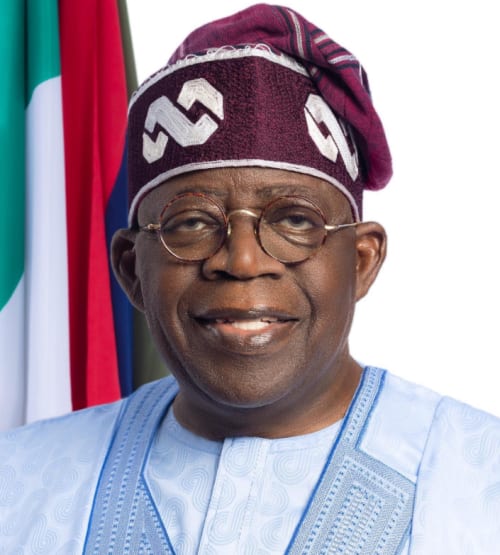
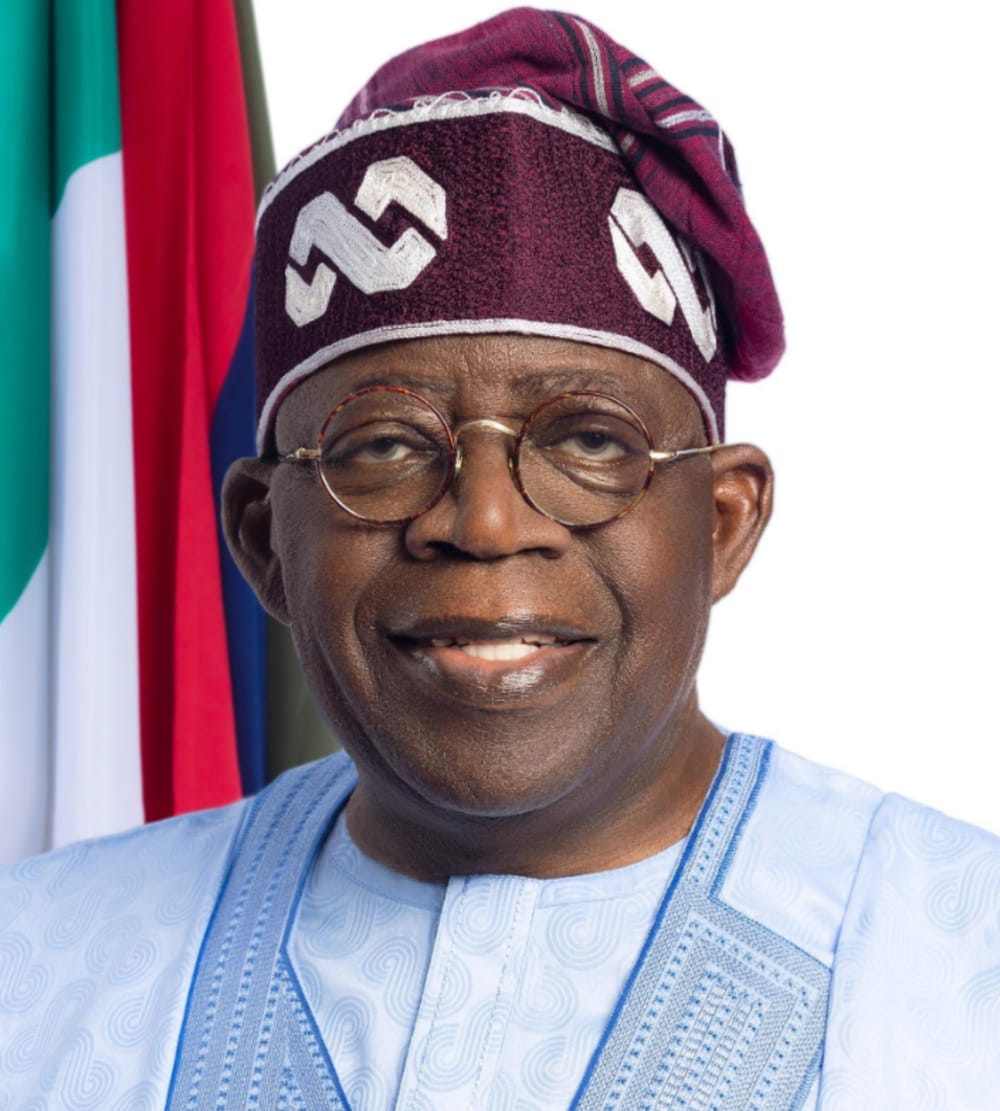
Delivering President Bola Ahmed Tinubu’s charge at the event, the Secretary to the Government of the Federation (SGF), Senator George Akume, CON, stated bluntly that Nigeria’s hurdle has never been a deficit of talent. Instead, he pointed to weak structures, poor infrastructure, and scarce pathways for young people to be discovered and nurtured.
With that diagnosis laid bare, the President challenged attendees to steer clear of routine speeches and walk away from the two-day deliberations with measurable commitments and an actionable national roadmap.
At the heart of the proposed overhaul is a push for equity. According to Tinubu, neither poverty nor a child’s postcode should dictate how far their athletic ability can take them. He stressed the need to deliberately open doors for girls, persons with disabilities, and young people in underserved communities so that no talent is left behind.
The President identified eight critical priorities, including sustainable grassroots programmes across the federation, rehabilitation of community sports facilities, national talent identification, improved funding, coaches’ development, school sports integration, inclusion and sports entrepreneurship.
Crucially, the Federal Government is looking beyond government budgets to fund the revival. Tinubu urged private sector players to view community sports as an untapped commercial frontier capable of generating employment across coaching, sports science, facility management, journalism, tourism, and ancillary industries.
Achieving this turnaround, he noted, will require tight coordination across state governments, local authorities, educational institutions, sporting federations, and corporate partners. Commending the organizers for uniting these varied sectors under one roof, the President formally declared the summit open expressing confidence that its outcomes would lay a lasting foundation for future generations of Nigerian athletes and industry professionals.